




When preparing for a move, most people start with what's available.
That usually means saving boxes from Amazon deliveries or picking up a bundle from Home Depot. It's practical, accessible, and in many cases, it works well.
Where things shift slightly is with distance. A move across town and a move across states don't place the same demands on packing materials. Before getting into the details, here's a quick snapshot of what matters most.
- Boxes from Amazon and Home Depot are a reliable option for short, local moves
- Long-distance moves involve extended stacking, transit time, and continuous movement
- Cardboard can lose up to 20–50% of its strength under sustained load and humidity
- Mixed box sizes may reduce stacking stability inside the truck
- Reused boxes are still usable, but may not perform the same after prior use
- Packing consistency and weight distribution matter more over longer distances
Long-distance moves don't necessarily require completely different packing habits, but they do introduce conditions that build over time rather than happening all at once.
Understanding that difference makes it easier to plan ahead and avoid small issues that can add up during the move.

Why Distance Changes the Equation
A local move is typically completed within a few hours. Boxes are packed, loaded, transported, and unloaded in the same day.
Long-distance moves stretch that timeline. Boxes may:
- Stay packed for several days
- Remain stacked under continuous weight
- Experience ongoing movement inside the truck
According to the American Moving & Storage Association, the average interstate move in the U.S. covers more than 1,000 miles and can take several days from pickup to delivery.
That extended timeframe is what gradually affects how packing materials perform.
What Happens to Cardboard Over Time
Standard cardboard boxes are designed for short-term use. They don't typically fail outright during a move, but they can change slightly under sustained conditions.
Research on corrugated materials shows that compression strength can decrease by 20% to 50% when exposed to continuous load and varying humidity levels.
In practical terms, that can look like:
- Slight softening at the corners
- Minor changes in shape when stacked
- Reduced rigidity compared to when the box was first packed
These changes are usually subtle, but over long distances, they can influence how stable everything remains inside the truck.
The Role of Consistency in Packing
One of the less obvious factors in moving is how box consistency affects the overall load.
When boxes vary in size and shape, stacking becomes less predictable. This can lead to:
- Small gaps between boxes
- Uneven weight distribution
- Slight movement during transit
In more controlled packing systems, uniform box sizes are used to minimize these variables. With mixed boxes, everything still gets transported safely in most cases, but the load may not feel as compact or stable.
Reuse vs. Reusability
Reusing boxes is a practical and often environmentally conscious choice.
At the same time, cardboard is not always intended for repeated use. The Environmental Protection Agency reports that while a high percentage of corrugated cardboard is recyclable, much of it is still used once before being discarded.
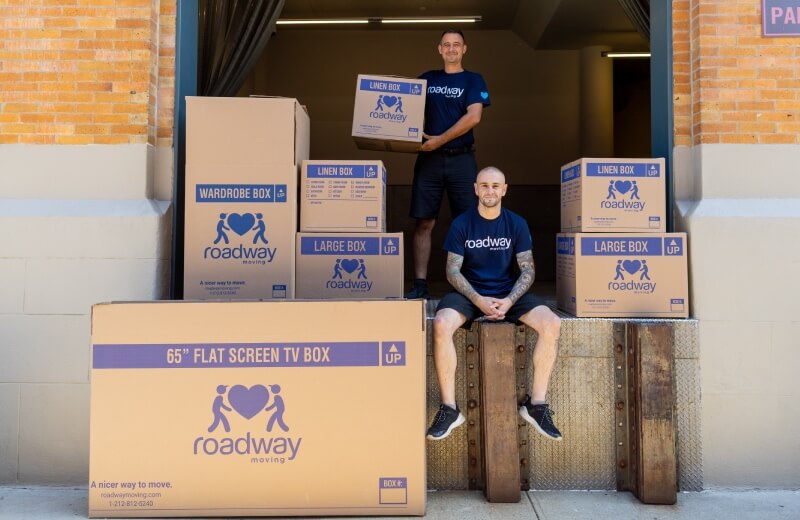
This has led to alternative approaches within the moving industry that focus on reusability over single use. For example, the "Blue Promise" concept from Roadway Moving emphasizes durable packing materials designed to be used across multiple moves, aiming to reduce waste while maintaining consistent performance.
How Packing Habits Naturally Adjust
When using a mix of boxes, packing tends to be more flexible than structured.
People often:
- Pack based on available space rather than weight balance
- Combine different types of items in the same box
- Adjust as they go instead of following a fixed system
This approach works well for many moves. Over longer distances, though, small differences in weight distribution or item placement can become more noticeable simply because they persist for longer periods.
A Few Practical Considerations That Often Come Up
A common question is whether reused boxes are still reliable. In most cases, yes, especially if they are in good condition. The main difference is that they may not retain the same level of rigidity after extended stacking.
Another point people consider is box size. Many moving guidelines recommend keeping boxes under 50 pounds. This helps with both handling and maintaining the structural integrity of the box over time.
There's also the question of whether careful packing can offset differences in box quality. Packing technique plays a major role, especially for fragile items. At the same time, the material itself still contributes to how well everything holds its position during transit.
Some also wonder if these factors only matter for cross-country moves. Distance does increase the effect, but the same principles apply to any move. They simply become more noticeable the longer items remain packed and in motion.
The Takeaway
Boxes from Amazon and Home Depot are a practical and widely used solution, and they work well in many scenarios.
For long-distance moves, it helps to be aware of a few additional factors:
- Time in transit places ongoing stress on materials
- Consistency in box size can influence stability
- Reused boxes may behave differently than new ones
None of this makes standard boxes a poor choice. It simply adds context.
With a bit of planning and awareness, it's possible to use them effectively while reducing the chances of small issues during a longer move.