Packing Timeline Guide: A Week-by-Week Checklist Before Moving Day
Moving is easier when packing is planned in stages instead of rushed into the final few days. The most common moving-day delays are caused by last-minute packing, disorganized labeling, and underestimating how long preparation takes.
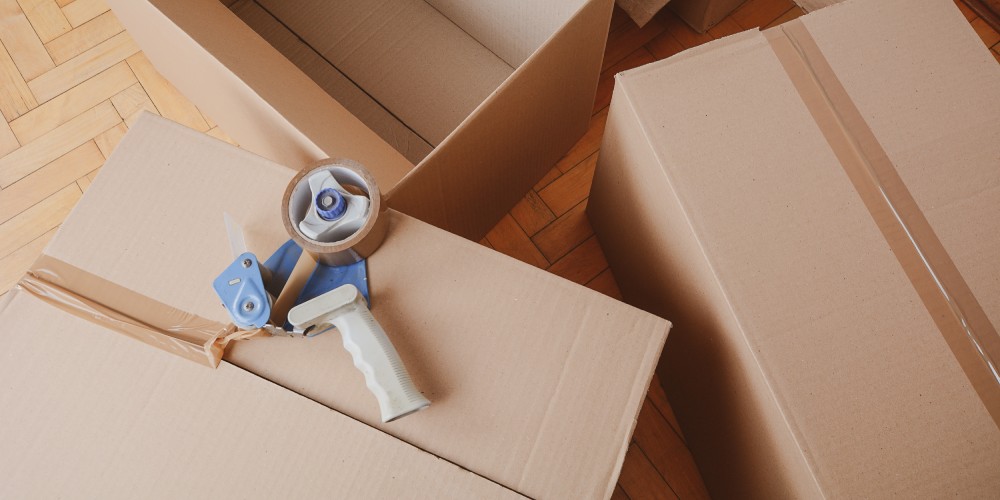
This packing timeline guide breaks down exactly what to do each week before your move so you can stay organized, reduce stress, and avoid common packing mistakes.
Whether you are moving locally, interstate, or cross-country, this guide provides a practical checklist from Roadway designed to help you prepare for a move efficiently and safely.
Quick Answer: When Should You Start Packing for a Move?
Most households should begin packing 6–8 weeks before moving day. Roadway recommends starting earlier for large homes, families with children, long-distance moves, moves involving storage, fine art or antiques, and NYC apartment moves requiring elevator reservations or COIs.
Roadway Moving Data: Based on thousands of moves coordinated annually, Roadway's packing teams estimate that the average 2-bedroom apartment requires 20–40 standard boxes and approximately 15–20 hours of professional packing time. Three-bedroom homes or larger typically require 60–100+ boxes and 25–35+ hours. Customers who begin self-packing 4+ weeks before move day consistently require fewer last-minute packing service additions than those who start within 2 weeks.
The Ultimate Packing Timeline Before Moving
8 Weeks Before Moving: Declutter and Create an Inventory
The first stage of packing should focus on reducing what you move. Customers often spend unnecessary time and money packing items they no longer use. Decluttering early simplifies every step that follows.
Checklist:
Roadway Moving Insight
Customers who declutter before packing often reduce packing time, moving costs, unpacking time, and storage needs. For interstate moves especially, reducing shipment weight and volume can significantly streamline logistics.
Roadway Moving Recommendation: On interstate moves—where cost is often calculated by weight and volume—reducing shipment size through decluttering can have a direct impact on pricing. Roadway's move coordinators frequently advise customers that donating or selling items equivalent to one or two large boxes per room can meaningfully reduce the final shipment weight estimate.
6 Weeks Before Moving: Build Your Packing Strategy
Once you know what you are bringing, create a realistic packing schedule. One of the biggest mistakes movers make is assuming packing can be completed in a single weekend.
Checklist:
Recommended Packing Supplies
Roadway recommends:
- Small boxes for books and heavy items
- Medium boxes for household goods
- Wardrobe boxes for hanging clothing
- Packing paper
- Bubble wrap
- Mattress bags
- Heavy-duty tape
- Permanent markers and labels
4 Weeks Before Moving: Begin Packing Non-Essentials
At this stage, packing should officially begin. Start with items you will not need before moving day.
Pack These Items First:
- Seasonal clothing
- Holiday decorations
- Books
- Decorative items
- Guest room belongings
- Storage items
- Extra linens and towels
- Collectibles and memorabilia
Labeling Best Practices: Roadway recommends labeling each box with room destination, general contents, fragile status, box number, and priority level.
Roadway Moving Operational Note: Roadway's professional packing teams use a room-coded, priority-flagged labeling system on all full-service packing jobs. This system reduces unloading time and allows customers to prioritize which boxes to open first upon arrival, a particularly important feature for interstate moves where unpacking may happen days after delivery.
Example: Kitchen – Plates & Glassware – Fragile – Box 3 of 12
3 Weeks Before Moving: Pack Secondary Daily-Use Items
Now begin packing items you use occasionally but can live without temporarily.
Checklist:
Kitchen Packing Tips
Kitchen packing often takes longer than expected. Roadway recommends packing plates vertically like records, wrapping glasses individually, using dish-pack boxes for fragile items, and keeping one "last week kitchen kit" accessible.
2 Weeks Before Moving: Transition Into Essentials Mode
At this point, most of your home should already be packed. Roadway Moving recommends aiming to have approximately 75–80% of packing completed two weeks before moving day.
Checklist:
1 Week Before Moving: Finish Nearly Everything
The final week should focus on organization, not major packing. If most packing is still unfinished during this stage, moving day becomes significantly more stressful.
Checklist:
What to Include in an Essentials Box
Your essentials box should travel with you — not inside the moving truck. Include:
- Medications
- Chargers
- Toiletries
- Basic tools
- Important documents
- Snacks and water
- Pet supplies
- Change of clothes
- Toilet paper
- Cleaning wipes
1–2 Days Before Moving: Final Prep
By now, only true essentials should remain unpacked.
Checklist:
NYC Moving Tip
Roadway Moving NYC Data: Elevator conflicts are the leading cause of same-day scheduling delays in New York City apartment moves. Roadway's NYC operations team reports that buildings in Manhattan, Long Island City, and Downtown Brooklyn are most likely to require elevator reservations 5–10 business days in advance—meaning packing completion and building logistics must be coordinated on parallel timelines, not sequential ones.
For apartment moves in New York City, confirm COIs are approved, elevator reservations are active, building move windows are confirmed, and parking permits or loading access are arranged.
Moving Day Checklist
Final Walkthrough Checklist
Before leaving, check: cabinets, closets, drawers, storage spaces, bathrooms, outdoor areas, and appliance interiors. Roadway frequently sees forgotten items in bathroom cabinets, under sinks, top shelves, laundry rooms, and refrigerator drawers.
Common Packing Mistakes to Avoid
Packing Too Late
Last-minute packing creates disorganization, damaged belongings, longer move times, and increased stress.
Using Weak Boxes
Poor-quality boxes collapse more easily and increase damage risk.
Overpacking Boxes
Heavy boxes are harder to carry and more likely to break.
Forgetting to Label
Unlabeled boxes slow down unloading and unpacking dramatically.
Mixing Rooms Together
Packing unrelated items into random boxes creates confusion after arrival.
Packing Essentials Too Early
Keep daily-use items accessible until the final days.
Packing Timeline FAQ
Most households need between 2–8 weeks depending on home size, household volume, and whether professional packers are used.
Start with non-essential items like seasonal décor, books, storage items, and guest-room belongings.
- Studio: 15–25 boxes
- 1-bedroom: 20–40 boxes
- 2-bedroom: 40–60 boxes
- 3-bedroom+: 60–100+ boxes
Roadway recommends packing by room for easier unloading and unpacking.
Ready to Book Your Move?
Roadway Moving offers professional packing and unboxing services. Ask your relocation specialist about organizer referrals too.
Get Your Free Quote